



- WIADOMOŚCI
- WYWIADY
Inside Vilnius: the quiet force shaping Europe’s future

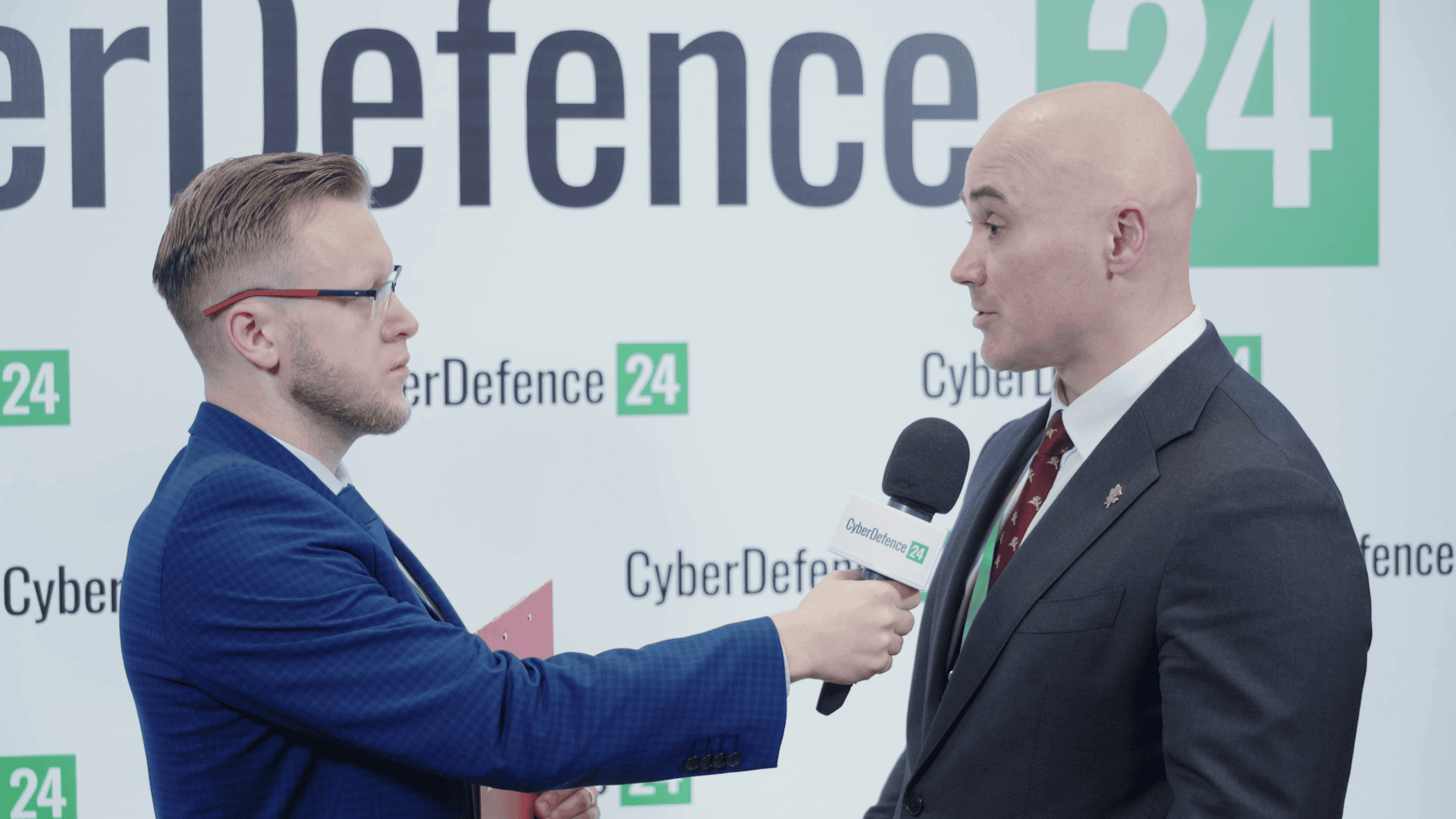
Lithuania has emerged as one of Europe’s staunchest voices against Russian aggression, pairing strong rhetoric with substantial investments in its armed forces. In this interview, Dr. Aleksander Olech speaks with the Lithuanian Deputy Minister of Foreign Affairs, Audra Plepytė, to explore the country’s current priorities and plans.
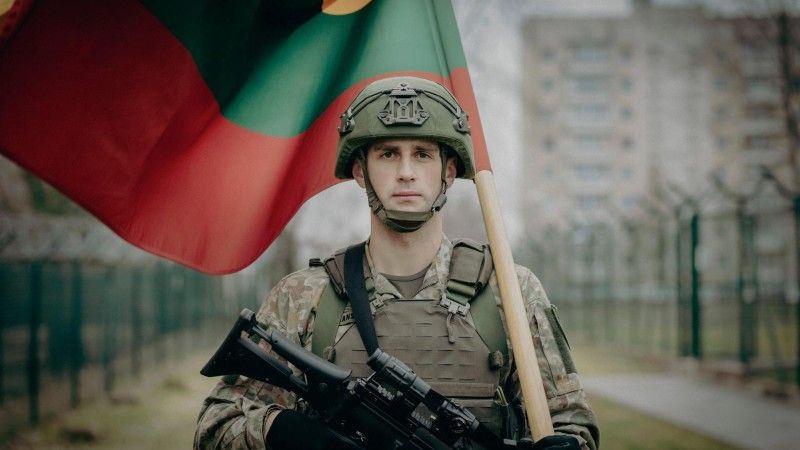
Dr. Aleksander Olech: Lithuania has been one of the most active supporters of Ukraine since the beginning of Russia’s full-scale invasion. How does Vilnius assess the current stage of the war and the outlook for the coming years?
Audra Plepytė: Russia’s continued attacks on Ukrainian civilians and civilian infrastructure, along with its disregard for any international efforts to achieve genuine peace, underline the need to further intensify our political, diplomatic, military, economic, financial, and humanitarian support to ensure Ukraine’s victory and to force Russia to end its war of aggression against Ukraine. We must fully deliver on the commitments already made at the EU level to support Ukraine – including the use of Russia’s immobilized assets, the EU loan, EPF funding, sanctions, and clear modalities for Ukraine’s EU membership - while also seizing the opportunity to do even more at the national level.
Lithuania has also reinforced its practical support to Ukraine. On 16 March Foreign Minister Kęstutis Budrys and Commissioner Marta Kos signed a document on Lithuania’s contribution of €10 million to the EU’s Ukraine Facility. This voluntary contribution will support priority areas where Lithuania is already actively engaged: the restoration of educational infrastructure, strengthening civil protection, and advancing the „Better Care Reform” of Ukraine’s childcare system. With this contribution, Lithuania builds on its long‑standing assistance, which has exceeded €1.7 billion since 2022, including over €1 billion in military support and more than €100 million in financial aid.
See also


Strengthening and accelerating our efforts – both individual and collective - is essential to help Ukraine prevail and to compel Russia to end its war of aggression.
Many European countries are debating how to strengthen support for Ukraine while maintaining long-term stability in Europe. What role should the EU and NATO play in shaping this strategy?
Fate and long-term stability of Europe are being decided in Ukraine. Securing a just and lasting peace – one that fully respects Ukraine’s independence, sovereignty, and territorial integrity -and ensuring strong, resilient Ukraine, capable of defending itself are essential to Europe’s security.
Ukraine’s integration to European and Euro-Atlantic structures must remain a strategic priority. Ukraine’s EU accession - the strongest non-military security guarantee – should stay at the centre of our agenda, with a clear, credible path to membership by 2030 at the latest to Ukraine. Europe must take the lead in driving and shaping this process.
It is also crucial that NATO and all Allies continue supporting Ukraine militarily, including the PURL initiative, with all Allies contributing on an equal, fair and sustainable basis.
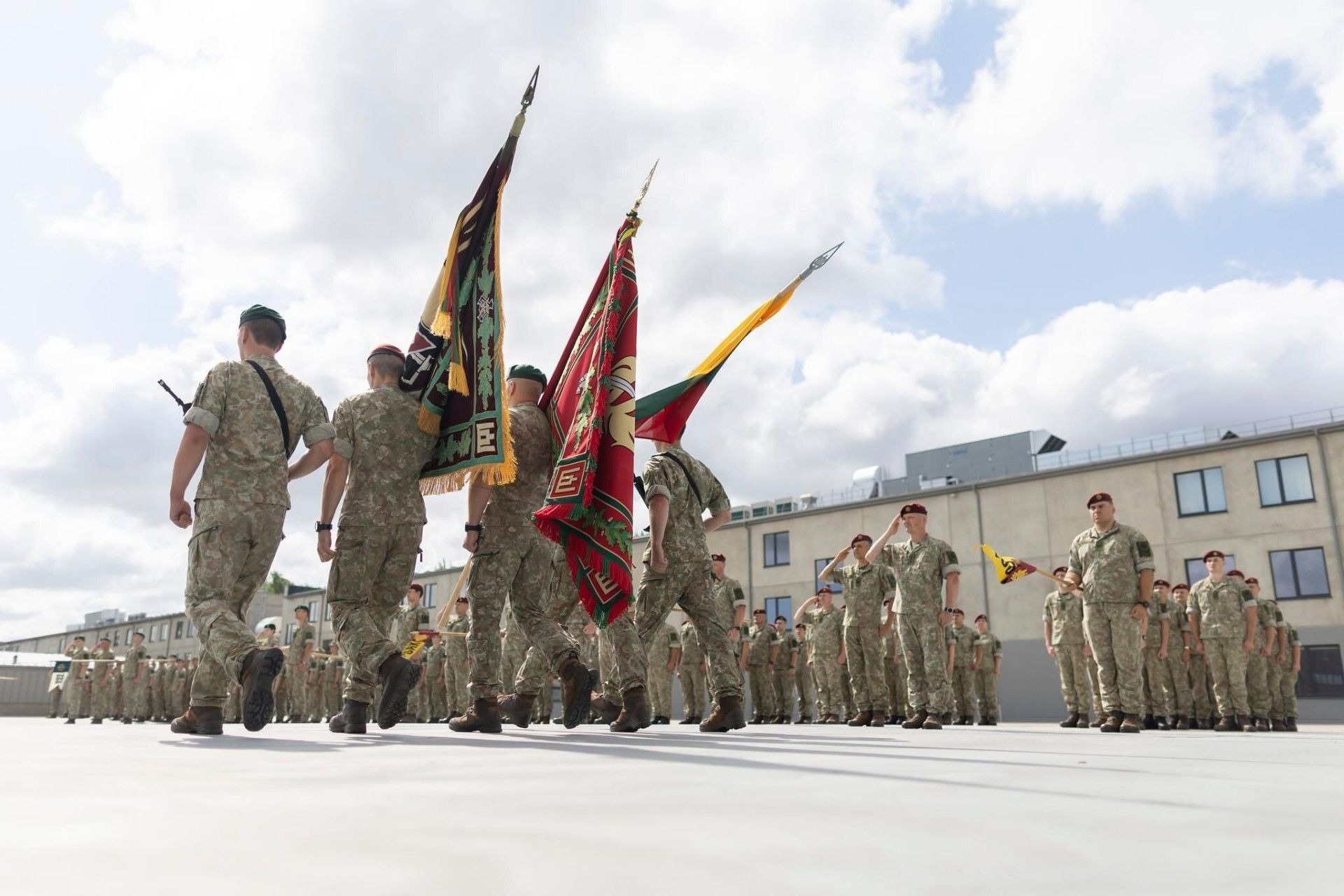
The pre-2022 European security architecture has collapsed, and Europe must begin shaping a new security architecture based on deterrence, accountability, and resilience - not on the illusion of cooperative security with Russia. Europeans must do more to deter, and if necessary, to defend against, Russia’s threat. Containment of Russia across all domains must become a long-term strategic effort.
Whatever we do- nationally, at the EU level, or within NATO- must deliver tangible results on the ground in Ukraine, as the strength and stability of Europe itself depend on Ukraine’s ability to withstand and repel Russian aggression. This also requires maintaining maximum pressure on Russia through stronger, more effective sanctions that reinforce our military and political efforts.
Lithuania has been strongly advocating for accountability for Russian war crimes and the use of frozen Russian assets. What progress do you see in these efforts at the international level?
We welcomed the decision of the ICC to issue arrest warrants against the President of the Russian Federation Vladimir Putin, and Commissioner for Children’s Rights in the Office of the President Maria Lvova-Belova, in connection with alleged crimes of unlawful deportation and unlawful transfer of children from occupied territories of Ukraine back in 2023. This important step has been followed by issuing additional arrest warrants for senior commanders of the Russian Armed Forces and a former Minister of Defense of the Russian Federation for the war crime of directing attacks at civilian objects, the war crime of causing excessive incidental harm to civilians or damage to civilian objects, and the crime against humanity of inhumane acts.

We also note the growing evidence indicating that the extensive damage inflicted on civilian infrastructure results from the unlawful, deliberate and policy-driven targeting of the Ukrainian energy infrastructure by the Russian military forces. Therefore, we have addressed the Office of the Prosecutor requesting that it give due consideration to examining whether certain acts committed by Russian military forces in Ukraine may also constitute the crime of genocide under the Rome Statute - specifically through the deliberate infliction of conditions of life calculated to bring about its physical destruction, in whole or in part, of a protected group. We believe that these systematic attacks clearly intended to cut off Ukrainian people from electricity, heating and water supplies in times of extremely harsh winter conditions are a calculated attempt to bring about the physical destruction of Ukrainians as a national group.
We likewise welcome the decision of the Office of the Prosecutor of the International Criminal Court to open an investigation in situation of Belarus, following the referral submitted by Lithuania on 30 September 2024. This referral concerns allegations of crimes against humanity, including deportation, persecution and other inhumane acts committed against the population of Belarus.
We encourage other State Parties to express their support for this investigation, to deepen the co-operation with the Office, and to consider joining the case exercising right to submit referrals to the ICC regarding the situation of Belarus.
Hybrid threats and pressure on European borders remain a persistent challenge. How does Lithuania assess the evolution of such threats coming from Russia and Belarus?
Russia has long been – and remains - the biggest threat to Europe as a whole, including Lithuania. Since the start of its full-scale invasion of Ukraine, this threat has become even more evident, especially as it has been accompanied by a growing wave of hybrid activities targeting countries throughout Europe.
In parallel to its war against Ukraine, Russia, together with Belarus, continues to test our resilience and responses. We are witnessing airspace violations by military drones and fighter jets, the use of smuggling weather balloons, GNSS interference, and the of migration. We have also seen arson attempts, including incidents involving self‑igniting packages, as well as cyber‑attacks, information operations, including attempts to re-write history, and sabotage against critical infrastructure.
These hybrid campaigns are directed at sowing discord, generating fatigue, eroding trust in government institutions, and at undermining our support for Ukraine. Disinformation and propaganda efforts - including organised troll activity - aim to create confusion, weaken democratic resilience, and diminish public trust in state institutions.
We closely monitor, investigate, and work tirelessly to prevent such actions. Just a couple of weeks ago, the Lithuanian Prosecutor General’s Office announced that Russian military intelligence services are suspected of orchestrating attacks using self‑igniting packages - an indication of both the level of risk we face, and intent of Russia to cause harm.
In this context, it is essential to strengthen our resilience, deepen cooperation with like‑minded partners facing similar threats, and raise the cost for Russia and Belarus of conducting hybrid attacks. We also remain convinced that sanctions are one of the EU’s most important tools for constraining Russia’s war economy. The EU must demonstrate continued leadership and reinforce its pressure on Russia - first and foremost by adopting the 20th sanctions package.
These efforts - from strengthening resilience and operational cooperation to tightening sanctions - serve to increase the costs of hostile hybrid activity while simultaneously reinforcing our resilience and strengthening our broader deterrence posture.
Poland and Lithuania have developed very close cooperation in recent years, both politically and in the field of security. Where do you see the greatest potential for further strengthening this partnership?
The strategic partnership between Lithuania and Poland is measured both in years and in achievements.
Last year, the Baltic States« power grids were synchronized with those of Western Europe via the Lithuanian Polish electricity link, „LitPol Link,” thereby completely disconnecting from the Russian BRELL ring system. On October 20 of last year, marking the anniversary of the mutual pledges of the Lithuanian Polish Commonwealth, a section of the Via Baltica highway connecting Kaunas and Warsaw was opened to traffic. The Via Baltica is considered strategically significant for both civilian traffic and military logistics. Poland has remained Lithuania’s primary economic partner for many years.Lithuania and Poland are bound by a long-standing and dynamic partnership that flourishes across political, cultural spheres, and is anchored in strategic cooperation on security and defence. For example, last year, the „Brave Boar” military exercises took place in the Suwałki region, which were also observed by the presidents of both countries. Thus, military cooperation is also an important element of bilateral relations.
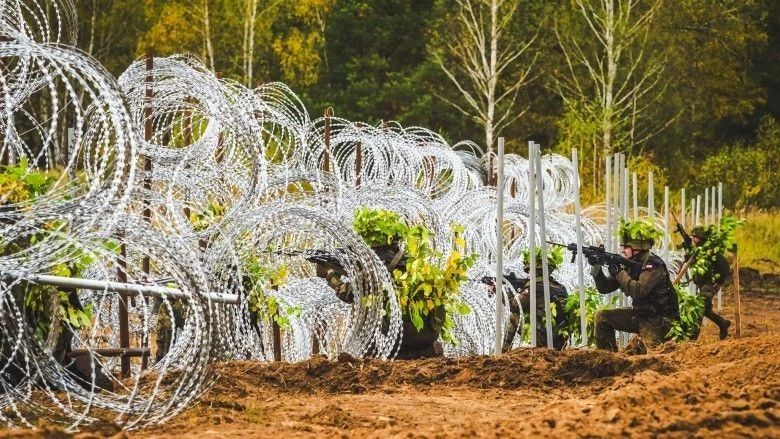
In essence, Lithuania and Poland are already experiencing the effects of hybrid warfare - instrumentalized migration, acts of sabotage involving damage to critical infrastructure, and smuggling balloons flying into the countries« territories and disrupting airport operations. This demonstrates that there is clear potential to strengthen cooperation to ensure the security of external borders against hybrid threats by actively sharing information and expertise, organizing joint exercises, etc. This is also confirmed by the recently published joint declaration by the prime ministers of the three countries - Latvia, Lithuania, and Poland- on strengthening border protection.
Lithuania is also increasingly active in relations with countries of the Eastern Partnership, the South Caucasus and Central Asia. How does Vilnius see the strategic importance of these regions for European security?
The security of the Eastern Partnership region is closely linked to European security. The region faces increasing pressure from Russia, including its war of aggression against Ukraine and persistent attempts to destabilize partner countries – such as Moldova - through interference, disinformation, propaganda and manipulation. Russia’s war of aggression against Ukraine clearly shows that Ukraine is fighting not only for its own freedom and sovereignty, but also for the security of EU.
Therefore, strengthening cooperation between EU Member States and Eastern Partnership countries should remain a key priority, particularly in the areas of security, defense, and countering foreign information manipulation and disinformation. Supporting continued reforms in strengthening the rule of law and security institutions, building societal resilience are also essential for ensuring long-term security and stability in European Union’s neighborhood.

For many years, Russia acted and continues to act as a destabilizing force in the South Caucasus region, fueling mistrust and tension between Armenia and Azerbaijan. Today, with sustained diplomatic engagement from the United States, we see tangible signs of dialogue and cooperation between Yerevan and Baku, alongside meaningful steps toward a lasting peace.
This moment offers an important opportunity for the European Union to intensify its engagement with the countries of the South Caucasus and contribute more actively to the region’s long-term stability. The EU has consistently invested in peace, development, and regional cooperation, and it is important that this progress is sustained. The EU can further deepen its partnerships, strengthen the region’s resilience to external pressure, and help anchor the South Caucasus more firmly within a stable and secure European neighborhood.
The South Caucasus is not a distant periphery. It is a strategically vital region for Europe’s security, connectivity, and energy diversification, and an important gateway for cooperation with Central Asia. A stable, resilient, and well-connected South Caucasus directly contributes to a stronger and more secure Europe.
Finally, how does Lithuania view the future of transatlantic cooperation in a time of growing geopolitical competition and global instability?
A strong transatlantic bond remains a cornerstone of our collective defence and security, and we must devote every effort into preserving and deepening it. For decades, the United States has played a pivotal role in European security – through deployed forces, strategic capabilities, and the extended nuclear umbrella that underpins NATO’s deterrence posture. This partnership has ensured stability in Europe and continues to be vital in the face of the growing threats.

We support U.S. calls for Europe to assume greater responsibility for its own security. A stronger Europe means a stronger, more capable, and fairer Alliance. Lithuania and Poland are setting an example by investing significantly in their national defense, and we encourage others to do the same.
At the same time, the continuous presence of U.S. and other Allied forces in Lithuania and across our region remains a crucial deterrent against Russia and a clear demonstration of Allied unity.
For us, unity with the U.S. is not simply important – it is existential and irreplaceable. This is true not only for our region, but for the entire transatlantic community. In this context, maintaining a close and resilient partnership with the United States is – and will remain - Lithuania’s strategic priority.


