- ANALIZA
- WIADOMOŚCI
What lies ahead for Sub-Saharan Africa as realism takes over?

The outbreak of war between the United States of America, Iran, and Israel has further weakened an already fragile international liberal order. Its weakening has deeper implications for the Sub-Saharan Africa region, which leaves it at a crossroads in a situation where it is a battleground rather than a player.
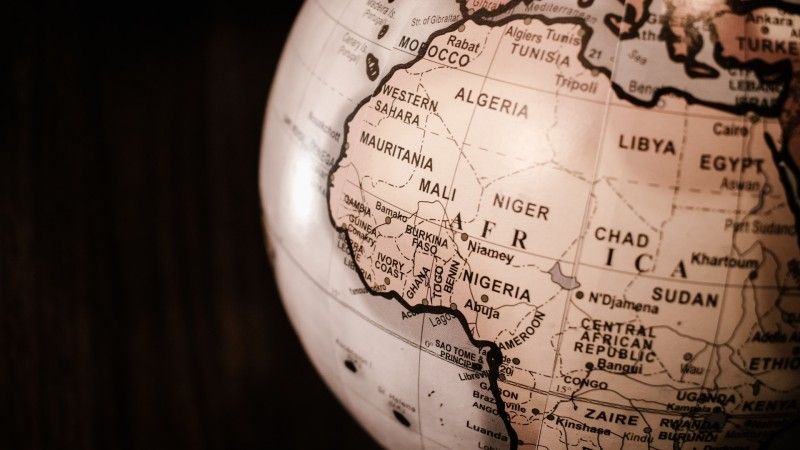
As a new battle frontier opens up in the Middle East, it also serves as a reminder that international law and international security are heavily dependent on alliances and interests. A reassessment of what some of these conflicts mean to Sub-Saharan African countries is necessary, not because of the possible solutions but to serve as a reminder of the possible position of parts of the continent.
It is essential to understand why those positions exist, why this war matters, and the impact and status of the international liberal order.
It is important to review the role of the classical realism theory of international relations.
The idea that the international liberal order could create a multipolar world has always been a stretch for the Sub-Saharan Africa region. Marked by alliances and interests, the order has always taken second to third place.
However, its weakening presents a challenge for Sub-Saharan African nations when it comes to dealing with international relations. The existence and strength of the liberal order have presented a semblance of structure, though the extent of its effectiveness and fairness remains in question. Most of the international organisations and regulations are dependent on international cooperation; without them, enforcement is either weak or impossible.
While the liberal order did not essentially favor Africa or guarantee the continent equal standing on the international stage, it did provide support for its international relations and cooperation beyond bilateral alliances. For example, when the Democratic Republic of Congo accused Uganda of illegal logging through the International Court of Justice, the case was heard, and Uganda was found guilty and asked to pay. This highlights the presence and strength of international law in the quest for international justice.
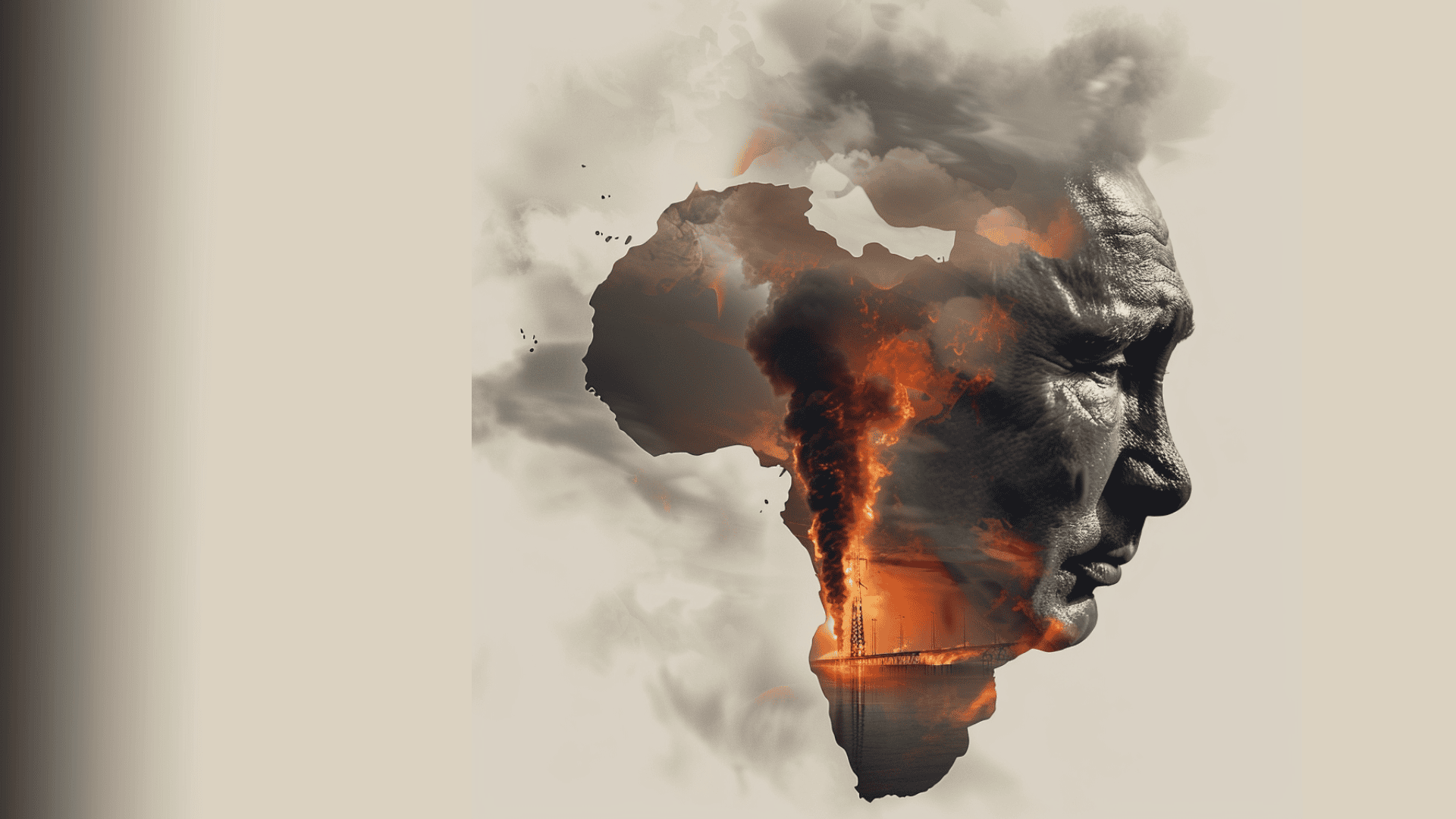
Despite its vast resources such as minerals and access to the Red Sea and the Cape of Good Hope, Sub-Saharan Africa remains at a decision-making disadvantage due to its sovereignty challenges resulting from alliances. The majority of the continent remains a battleground for control by global powers. Economic and military alliances shape how these alliances evolve. For the global powers, it is a race for critical minerals, while for the continent it is an arms race for security and defence. In order to address current security challenges, from armed groups to terrorist attacks and coups, the region is facing a scramble for new alliances and control. Whether it is access to the Red Sea or critical minerals or the construction of military bases, global powers are quietly and loudly reshaping their relationships on the continent. This has extended to support for different warring factions, like the United Arab Emirates and its support for the Rapid Support Forces in Sudan.
Different alliances are dependent on deals which form them based on self-interest. A closer look at the arms race in Sub-Saharan Africa reveals how different countries are forming alliances based on interests rather than international norms. Based on critical minerals and access to the Red Sea, national interests are taking over international collaboration. Countries such as the United Arab Emirates support the Rapid Support Forces in Sudan with arms in exchange for gold, while the United States of America’s interest in the DRC conflict in exchange for minerals go against international norms.
The gradual tendency to run roughshod over international norms that form the backbone of international relations, ensure the enforcement of international laws, and form the basis of international regulatory frameworks has led to a weakened liberal order.
The realism theory of international relations overrides the international liberal order when it comes to international relations and security and ought to be interrogated at its core. The question shouldn’t be about reshaping but rather the eventual breakdown of the international rules-based order as it was known post-Cold War, particularly classical realism which advocates for state interests over international cooperation, further weakening the liberal order. This has been evident with the United States of America’s sanctions on Venezuela’s economy, which included the blocking of its oil exports in international waters, followed by the arrest of its president who currently awaits trial in the United States of America. This followed the heels of tariffs on several of the U.S.« trading partners, followed by suggestions of the U.S President to take over Greenland, urging its importance to the U.S.’ security while ignoring the implications of these actions on international law and international relations.

The U.S. has through its various presidents attacked sovereign nations, with the recent history of Iraq and Saddam Hussein, where it claimed the country had weapons of mass destruction and launched an attack in 2003 together with Britain, Australia and Poland. Then there is the case of Syria and Assad. The U.S. has often advocated for interference in foreign countries as a means of support, though there have been implications which include a chain of destruction, and state breakdown that created security gaps which led to the creation and reinforcement of terror cells, like the creation of the Islamic State in Syria and the strengthening of transnational criminals.
A look at the Chad-Sudan-Libya border triangle reveals how transnational criminal networks thrive amidst the breakdown of security. Human trafficking, arms trafficking and smuggling flourish in such conditions.
These actors shape conflicts and instability, in addition to creating a political economy of conflict.
The latest war outbreak adds to an already fragile liberal order, from the coups in the Sahel to the Sudanese conflict, the fragility of the Democratic Republic of Congo and South Sudan, and the Horn of Africa. All of these have seen alliances thrive over the international liberal order.
Transnational crime thrives in security gaps which are strengthened by the absence or weakening of international security structures.
These networks are strengthened through these conflicts that create illicit flows of illegally acquired arms and the human trafficking of those fleeing conflict.
These conflicts strengthen transnational criminal actors while sustaining armed groups, as global powers benefit through the access and control of territory. These alliances have seen the export of conflict minerals from Sudan to the United Arab Emirates and contested access to the Red Sea through Sudan.

The current crises aren’t a warning because they have happened before, but rather a reminder that interests shape responses to conflict and conflict is not an event, especially as the international liberal order disintegrates due to individual interests superseding international cooperation.
Whether economic or military, these pacts determine how international relations and security are handled through the lens of the realism theory of international relations, guided by the principles of prioritizing national interests over international cooperation. Beyond national interests, power plays a critical role in how these interests play out, as argued by Hans Morgenthau, one of the realist theorists.
Power dynamics shape how nations interact with each other or enforce regulatory frameworks. In a bid to counter the Chinese grip on critical mineral producers in Africa, the U.S. met with leaders from, among others, the DRC, Gabon, Angola, and Nigeria as it focuses on commercial diplomacy. The problematic approach to this is the sourcing of conflict minerals from countries like the DRC, which emboldens transnational criminal actors, transit countries, and armed groups.
Sovereignty for most of Sub-Saharan Africa is not possible due to alliances and global power dynamics. The continent’s political, economic and military structures are heavily dependent on global powers for survival.
The liberal order has often promised support to challenged countries, but the slow actions of the United States of America on the involvement of the United Arab Emirates in Sudan, as well as its own actions and statements against Venezuela and Greenland, have echoed the weaknesses of the current liberal order and the strength of the classical realism theory of international relations.

This leaves the Sub-Saharan Africa region weighing its options, not in its entirety but rather in what it has to offer to the global powers for allyship and whether this allyship is beneficial.
The liberal order might have sought to encourage the multipolar order, but as theorists of realism argue, power and national interests supersede international relations.
As the liberal order weakens, the question about the strength of the international organisations lingers with the formation of organisations like the Board of Peace, which is led by the U.S. This comes against the backdrop of reduced UN support from Washington. Rather than strengthening international cooperation through international bodies, global powers are setting up pacts as forms of cooperation.
This blurs the lines of international relations and weakens international cooperation and security.
Sub-Saharan Africa should embrace more bilateral alliances rather than trying to rely on international cooperation, as this will enable them to get better agreements with different global powers that seek to advance their interests on the continent.