



- ANALIZA
- WIADOMOŚCI
Trump leaves American embassies empty

France24 shows a very important shift in American diplomacy: under Donald Trump, more than one hundred ambassadorial posts remain vacant. This is not only about delays in nominations. It shows that foreign policy is increasingly conducted from the White House, while the role of ambassadors has been deliberately reduced.
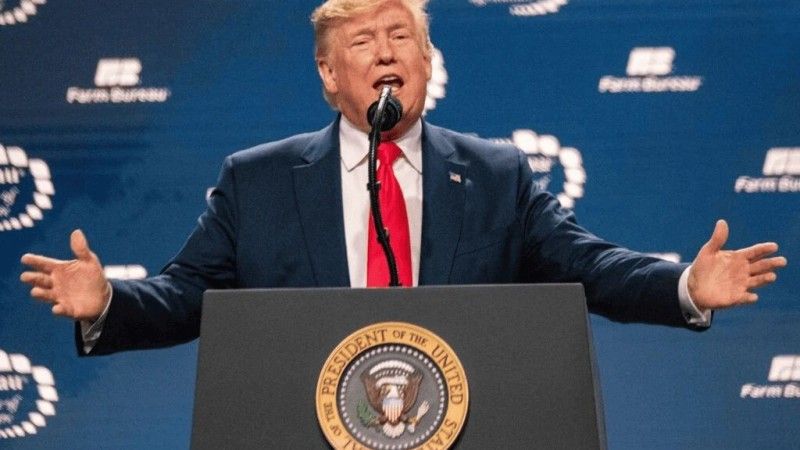
According to France24, citing The Wall Street Journal, 115 out of 195 U.S. ambassadorial posts remain unfilled sixteen months into Trump’s second term. This means that around 60% of posts are vacant, which is unprecedented in modern American diplomacy. During Trump’s first term, the number was much lower at the same stage, which confirms that this is not administrative chaos only, but a political model.
The clearest example is Africa. 37 out of 51 U.S. embassies on the continent reportedly have no ambassador in place. This shows very clearly that Africa is not currently a political priority for Washington, even if the continent remains important in the context of China, Russia, critical minerals, migration and security. The United States may still be present there, but it is not investing in classical diplomatic architecture at the level that would suggest long-term political attention.
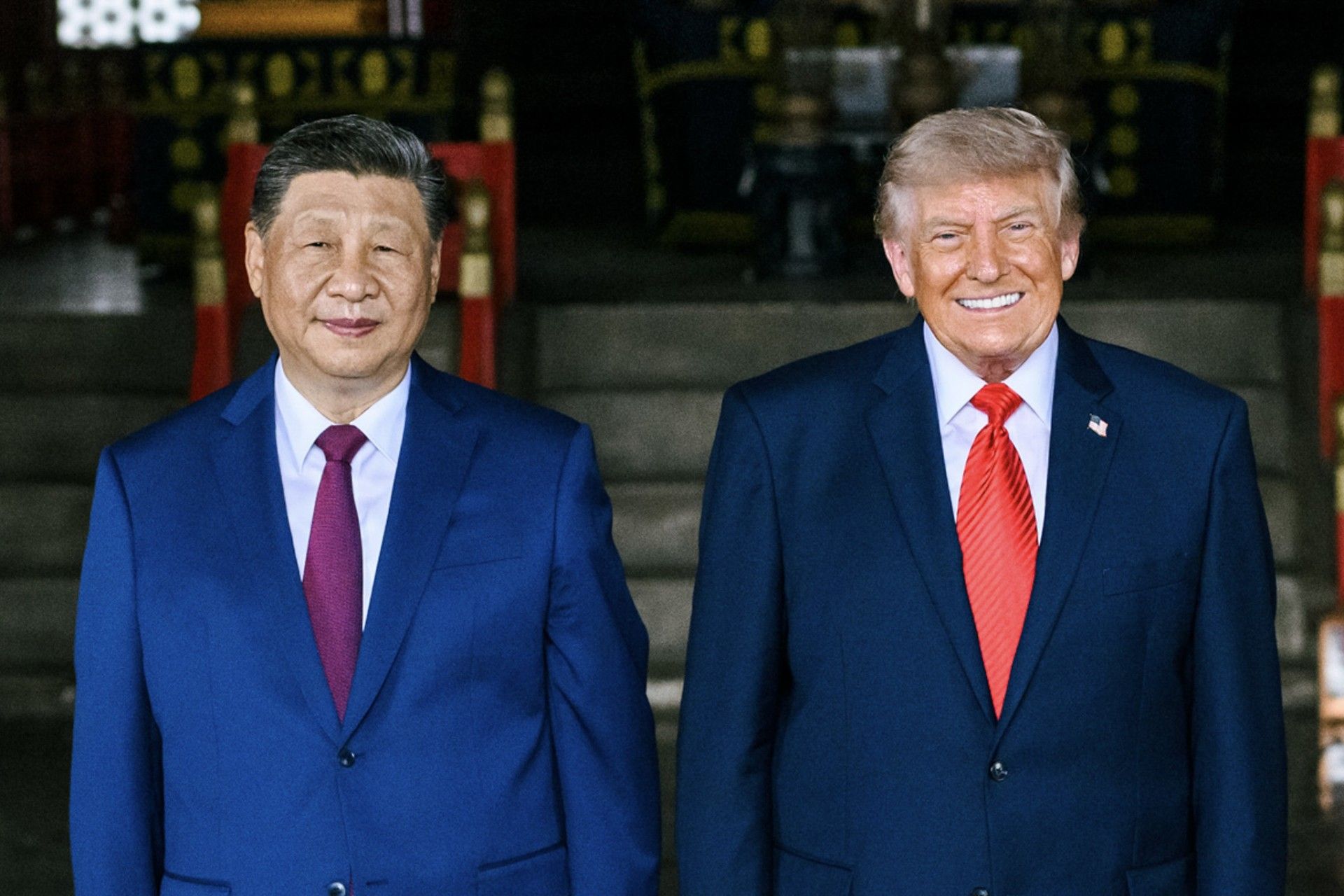
The Middle East is also telling. Washington is dealing with Iran, Gaza, Lebanon and regional security, but the United States still lacks ambassadors in several key states, including Saudi Arabia, the United Arab Emirates, Qatar, Iraq and Kuwait. This confirms that the Trump administration prefers direct presidential channels, special envoys and personal networks rather than traditional embassy-led diplomacy.
This is why the role of figures such as Steve Witkoff, Jared Kushner, Massad Boulos, Tom Barrack and Sergio Gor matters. They represent the way Trump understands diplomacy: fewer institutions, more personal loyalty, faster deals and direct control from the White House. The State Department remains formally important, but it is no longer always the centre of gravity. In many cases, ambassadors are no longer the main political operators of American foreign policy.
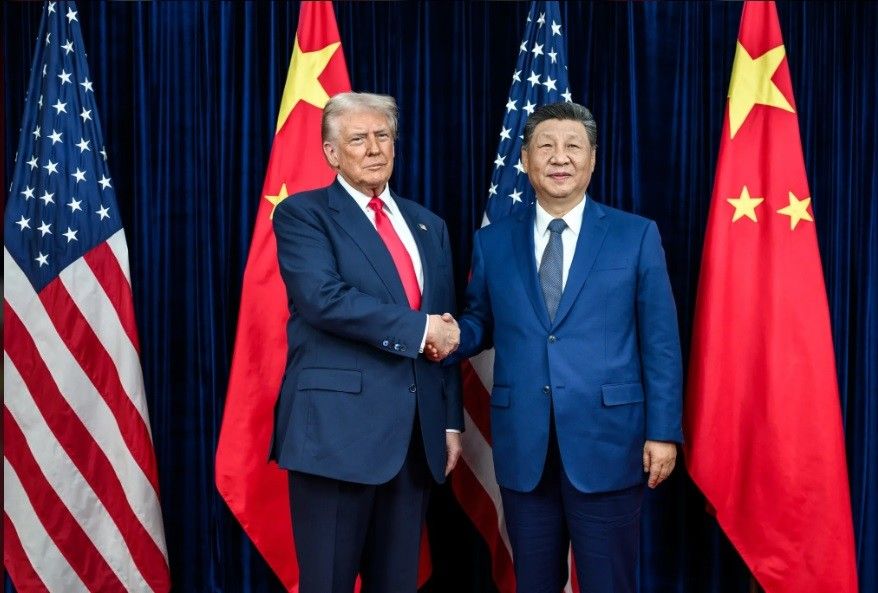
This also explains the logic of political nominations. Trump wants people who are loyal to his agenda, not necessarily those who spent decades inside diplomatic structures. The recall of ambassadors considered hostile or insufficiently aligned with the administration fits this approach. It is not only about filling posts, but about controlling the message, the channels and the political direction of U.S. diplomacy.
There is also an interesting European parallel. In France, the most important political, military and diplomatic nominations may come at the end of the year. Emmanuel Macron will likely choose his people so that from January until the presidential election in April 2027 they are already embedded in the system. These may become some of his most important final appointments before leaving office, because personnel decisions often shape foreign and security policy after the president himself is gone.

The problem for Washington is that empty embassies reduce access and political weight. A chargé d’affaires can keep an institution functioning, but does not carry the same authority as an ambassador. In countries where access to presidents, ministers, security elites and business circles matters, this difference is significant. Diplomacy can be centralised, but it then becomes more dependent on improvisation and on the personal attention of the president. President Trump will maintain ambassadors where he wants to develop strong relations.


