- ANALIZA
- PILNE
- WIADOMOŚCI
- WAŻNE
A Baltic island as Russia’s next test of NATO?

Russia may seek to test NATO’s resolve not through a full-scale conflict, but via limited provocations in the Baltic Sea region. According to Swedish reports, one of the scenarios under consideration involves the temporary seizure of one of the Baltic islands in order to test the speed, cohesion, and determination of the Alliance’s response.

Swedish warnings
In recent days, Sweden warned Denmark about the possibility of Russia taking control of one of the islands in the Baltic Sea. Such a scenario would primarily carry a political and psychological dimension and would aim to test the Alliance’s reaction.
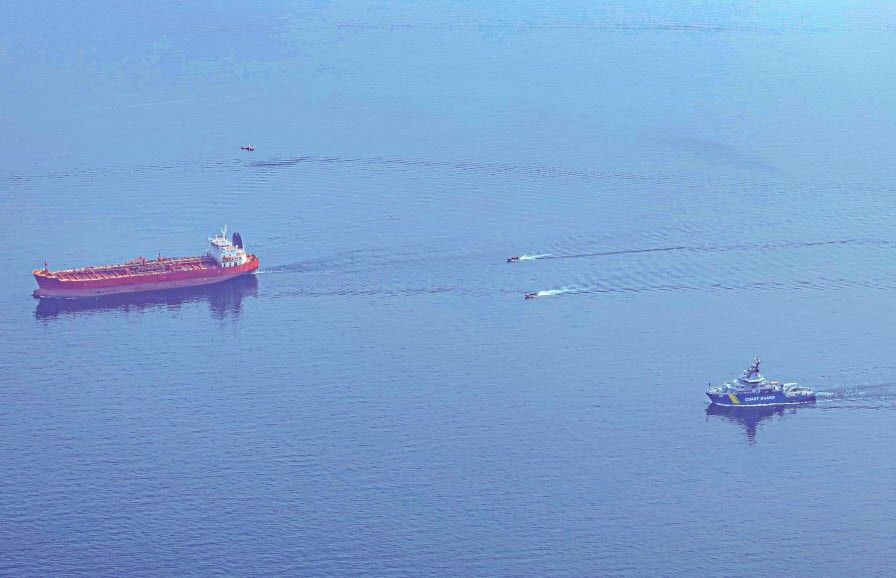
However, it was not specified which island could become the target. The fact that Denmark was the recipient of these warnings may nevertheless suggest that one of the Danish islands is being considered. It is worth noting that these warnings coincide with the ongoing Danish-Polish ”Baltic Shield” exercises on Bornholm. The drills are also taking place against the backdrop of previous incidents involving drone sightings near critical infrastructure in Denmark, as well as growing concerns regarding Russian activity in the Baltic Sea region.
As reported by DR , the Danish Chief of Defence Gen. Michael Huldgaard admitted that he has no information regarding any concrete Russian plans related to such a scenario. At the same time, he stressed that Denmark’s priority remains cooperation within both national and collective NATO defence frameworks, as well as demonstrating readiness to respond to potential threats.
At the same time, a recent report prepared by Danish intelligence services stated that the Baltic Sea region remains the area with the highest probability of Russian military force being used against NATO member states.
The Baltic as a space for testing NATO cohesion
See also


Swedish Chief of Defence Michael Claesson emphasised that a direct military conflict between Russia and NATO still remains unlikely. Moscow is believed to be aware of the Alliance’s conventional military superiority, making a gradual escalation based on less resource-intensive hybrid operations a more realistic scenario. Such actions could target both the Baltic Sea region as a whole and its individual islands.
However, the fact that an operation is „hybrid” in nature does not mean that it cannot evolve into a conventional conflict. Such activities inherently involve a strong psychological dimension and a high risk of misinterpreting an adversary’s intentions, which may ultimately lead to uncontrolled escalation.
A good example remains the so-called ”shadow fleet” vessels, which, although formally serving mainly economic purposes by helping circumvent Western sanctions, are increasingly entering the sphere of security and military-related activities. This includes, among other things, the presence of personnel with potential military affiliations aboard such ships, who in the event of escalation could be used for destabilisation efforts, sabotage operations, or even activities linked to attempts to seize specific territory.
See also

The growing scale of hybrid activities may therefore indirectly or directly contribute to conventional escalation. To prevent such a scenario, NATO member states should adopt a more proactive approach toward Russian hybrid threats, which with each passing year continue to blur the line between war and peace.
One of Russia’s key objectives in employing hybrid methods remains testing the Alliance’s reaction and cohesion. If NATO fails to respond in a sufficiently decisive and coordinated manner, the risk of further escalation and boundary-testing will increase.
Although the Swedish warnings remain vague and have not been fully confirmed publicly, they no longer belong to the realm of political fiction. They are far closer to the realities of the current security environment in the Baltic Sea region. The probability of such a scenario may fluctuate, but the threat itself is unlikely to disappear.
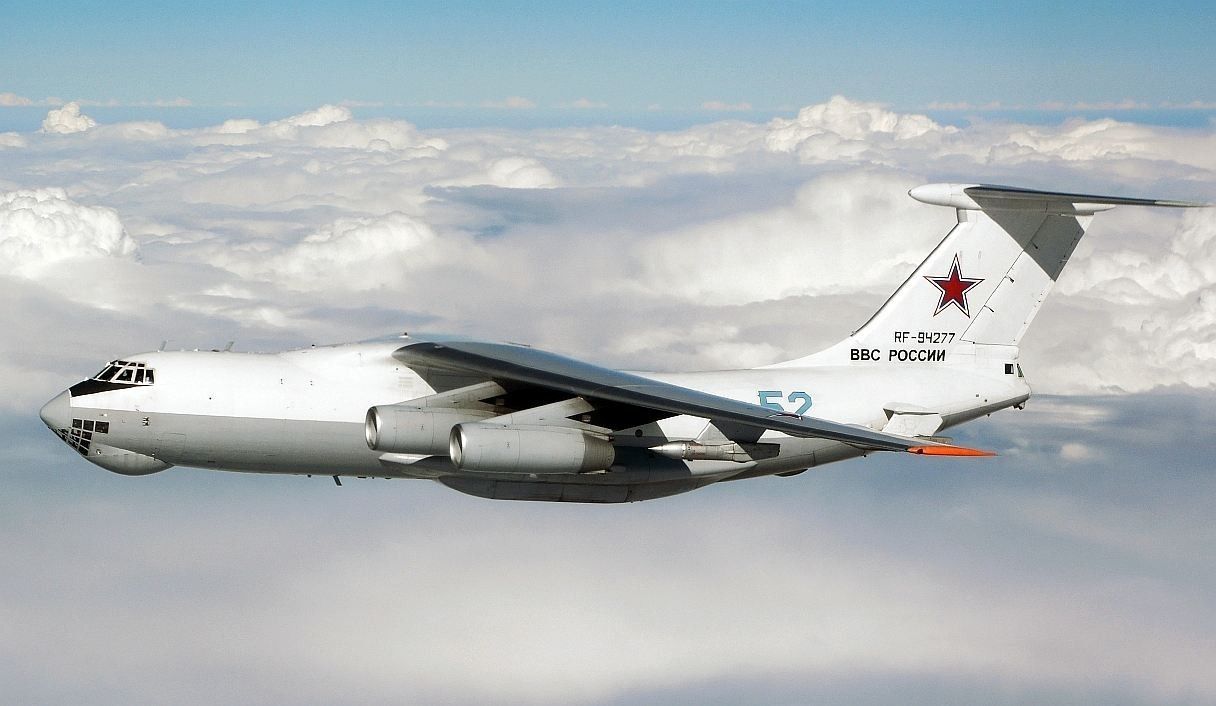
This is precisely why it remains crucial for NATO not to abandon further strengthening of its defence capabilities, intensification of exercises, and proactive measures in response to Russia’s escalating hybrid activities, particularly in such a strategically sensitive area as the Baltic Sea. Only effective deterrence can prevent the materialisation of a scenario involving conventional escalation on NATO territory.