



- WIADOMOŚCI
- KOMENTARZ
Can the Nordic countries and Poland create a nuclear umbrella?

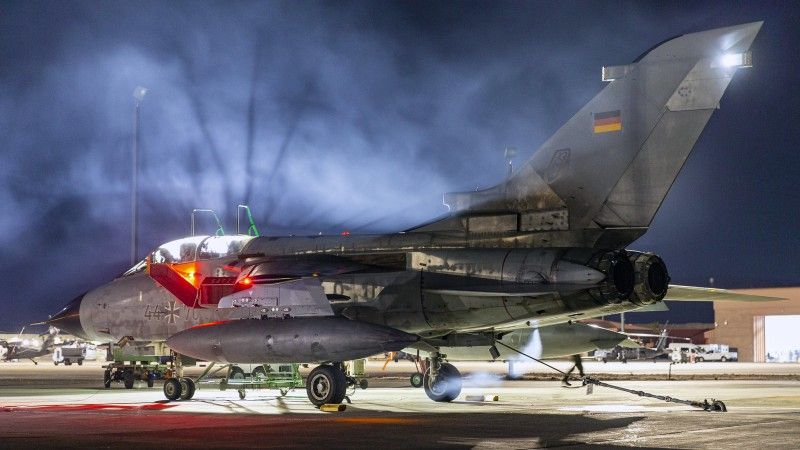
The Nordic countries and Poland do not possess nuclear weapons and currently have no plans for their joint development. However, in the face of doubts regarding American nuclear deterrence, they could strengthen regional resilience through deeper military and energy cooperation. This would create a solid pillar for a European nuclear umbrella based on France and the United Kingdom.
For many years, Europe has relied on American nuclear deterrence implemented within the framework of NATO as the primary element of its defense system for European states. This model has functioned for decades. In 2025, reports increasingly emerge about changes in the priorities of the United States, including a greater focus on the Asia region and potential limitations on military engagement in Europe. These signals have become one of the impulses for discussions among European leaders about alternative solutions in strategic security.
At the same time, French President Emmanuel Macron has repeatedly publicly proposed extending France’s nuclear deterrence potential to other European countries. Interest in this concept has appeared, among others, in Poland, Germany, and some Nordic countries. Parallel to this, the debate includes references to the British nuclear arsenal and ideas for creating a common European deterrence system that would function independently of the United States.
These discussions are of particular importance for countries located on the north-eastern flank of Europe. The Nordic countries, the Baltic states, and Poland directly border areas considered zones of Russian influence or are exposed to pressure actions and incidents in the Baltic Sea region. The war in Ukraine and accompanying declarations regarding nuclear weapons have drawn attention to the limitations of conventional defense alone in the region.
In this security environment, a proposal emerged in March 2025 from Denmark regarding strengthening defense cooperation between the Nordic countries, the Baltic states, and Poland. This initiative envisages building a stronger regional defense bloc based on closer coordination of actions and a common approach to threats in north-eastern Europe.
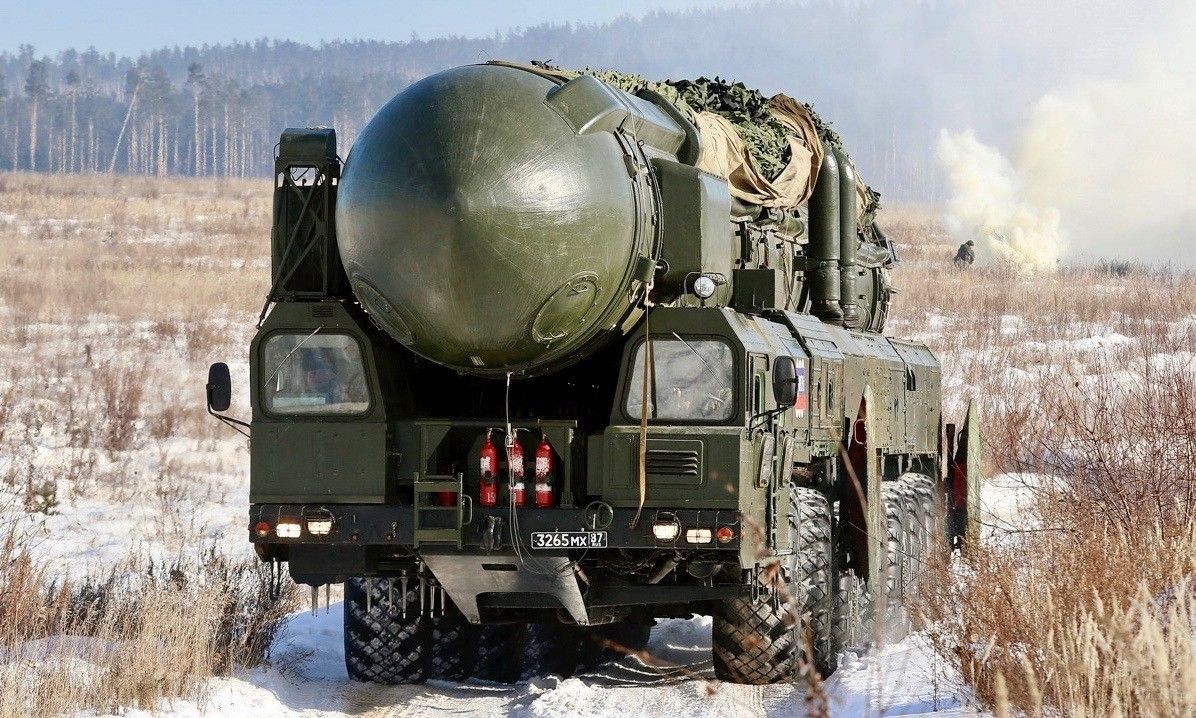
A conventional alliance as the foundation of resilience
In March 2025, an analysis appeared in the Danish daily „Berlingske” concerning the concept of a regional military alliance. Its authors were Professor Mikkel Vedby Rasmussen and economists Lars Christensen and Thomas Gress. The study indicated the possibility of forming a bloc encompassing the Nordic countries: Denmark, Sweden, Norway, Finland, and Iceland, as well as the Baltic countries: Estonia, Latvia, and Lithuania, with Poland’s participation. According to the authors, the combined gross domestic product of these countries would be about 1.4 times larger than Russia’s GDP. This comparison is significant when assessing economic capacity for long-term financing of conventional armed forces.
The analysis also described financial solutions that would enable the functioning of such an agreement. The proposal includes establishing a common financial institution modeled on the Nordic Investment Bank. This institution would issue bonds at relatively low interest rates. According to the authors, such a tool could allow Poland and the Baltic states to finance large armament programs without sharply increasing burdens on national budgets. The planned alliance would focus on the areas of the Baltic Sea and the Arctic, and its functioning would complement NATO structures. The analysis noted that, after Finland and Sweden joined the North Atlantic Alliance, northern Europe forms a coherent defense area.
The authors of the study also pointed out the limitations of the proposed solution. They highlighted the lack of own nuclear deterrence capabilities as a significant element weakening the potential of such a bloc. They noted that Russia possesses nuclear weapons, which, in their assessment, means the necessity of maintaining close cooperation with countries that have such an arsenal, particularly France and the United Kingdom. At the same time, they emphasized that the Nordic countries have long declared support for nuclear disarmament and do not plan to develop their own nuclear weapon programs. The analysis noted, however, that a regional alliance could serve as a mechanism enabling participation in a broader European nuclear deterrence system, about which French President Emmanuel Macron had spoken earlier.
See also 

Nuclear Power as a strategic asset for the region?
Cooperation between the Nordic and Baltic countries in the field of nuclear energy was the topic of a meeting held on October 7, 2025, in Stockholm. The Nordic-Baltic Nuclear Investment Summit was organized there, dedicated to investments in nuclear energy. Government representatives from Finland, Sweden, Poland, Estonia, and Latvia participated in the event. During the summit, ministers from these countries signed a joint declaration on the role of nuclear energy in the region’s energy systems. The document refers to the importance of nuclear power as a stable, competitive source of energy free from carbon dioxide emissions.
The countries involved in the declaration are at different stages of nuclear energy development. Finland has been operating nuclear power plants for many years and has experience in their construction and operation. Sweden is undertaking actions related to expanding existing reactor infrastructure. Poland is preparing to build large nuclear power plants as well as projects based on small modular reactors. Estonia and Latvia are analyzing the possibility of launching their own initiatives in this area. Within the framework of cooperation, issues concerning supply chains, exchange of technical and organizational knowledge, and mechanisms for financing nuclear projects are discussed.
The scope of cooperation also includes the participation of other countries in the region. Denmark, which previously had a ban on developing nuclear energy, began analyses in 2025 regarding the potential use of small modular reactors as one element of the energy mix, alongside renewable sources. This information appears in the context of regional discussions on future directions of energy development.
The text also indicated that nuclear energy is perceived as an element related to the energy security of the region’s countries and reducing dependence on imports of fossil fuels. Attention was drawn to the importance of stable energy sources for the functioning of economies and sectors requiring continuous energy supplies. It was also pointed out that nuclear projects implemented jointly by the Nordic, Baltic, and Polish countries are an element of regional cooperation encompassing technical, industrial, and organizational areas.


