



- WIADOMOŚCI
- WYWIADY
What can we learn from Finland? A lot actually [INTERVIEW]

Finland contributes to NATO through its battle-hardened reserve force, its pioneering model of total defence, and a society firmly anchored in a culture of resilience. In this interview, Dr. Aleksander Olech talks with the Chief of Defence Command Finland, Lieutenant General Vesa Virtanen, to delve into these and other key developments in the Finnish preparedness.
Dr Aleksander Olech: Finland joined NATO in 2023, marking a historic shift in the country’s security policy. How has NATO membership changed Finland’s defence planning and operational priorities?
Lt. General Vesa Virtanen: NATO membership has not changed the foundation of Finland’s defence, i.e., that defending our own territory is a national responsibility, but it has expanded our planning framework and deepened operational integration. Now, defence planning happens as part of the Alliance’s collective defence, which means integrating it with NATO’s defence planning process, joint plans, and command structures. Operationally, the focus is on the ability to work seamlessly together with our Allies in all domains and to receive and command Allied forces in Finnish territory. At the same time, Finland’s NATO membership has reinforced NATO’s deterrence and given more strategic depth to defence planning.
Finland’s NATO membership strengthens the defence of the Alliance and defence planning in the Baltic Sea region and in the High North. Finland brings to NATO Defence Forces that are very capable in relation to the size of Finland. The Finnish Defence Forces have been systematically developed over the decades so that we can respond to the current threat. Furthermore, internationally, Finland has an exceptionally high will to defend the country. Finland’s membership significantly strengthens NATO’s defence in the north-east.

As a NATO member, Finland’s strengths are a strong defence, a defence system based on general conscription, and a large and well-trained reserve, which enables long-term national defence and rapid scaling of military capabilities. We also have high civilian readiness and resilience of the entire society. These capabilities strengthen NATO as well.
Finland looks at security in the framework of comprehensive security and comprehensive national defence, where military defence is tightly linked with civilian preparedness, the resilience of society, and the ability of the entire society to function in case of disruptions. The responsibilities are divided between the authorities, the private sector, and citizens, which strengthens resilience and long-term performance both during normal conditions and during crises. These national strengths not only improve Finland’s security, but they also strengthen NATO.
Military integration with NATO is an ongoing process.
The security environment in Northern Europe has changed significantly following Russia’s full-scale invasion of Ukraine. How do the Finnish Defence Forces currently assess the security situation in the Baltic and Nordic region?
Northern Europe is one of the areas listed as the most important operating direction in the Finnish Government Defence Report. According to our estimate, the security environment in the Baltic Sea region and in the Nordic region is tense and difficult to predict.
The war in Ukraine has weakened the development of the Russian Armed Forces, but despite the war, it has continued its force reorganization according to its armed forces reform: it has, for example, converted or prepared to convert brigades into divisions.
See also

Russia’s war of aggression in Ukraine has demonstrated readiness to use military force to achieve strategic objectives and highlighted the importance of military force in the European security environment. In Northern Europe, this can be seen as increased military presence, an increased number of exercises, and a heightened need to maintain high readiness. There is no immediate military threat directed against Finland at the moment, but the operating environment requires constant monitoring of the operational picture, readiness, and developing defence as part of NATO.
Finland has long been known for its strong concept of total defence and national resilience. What are the key elements of this model that other European countries could learn from?
Finland looks at security in the framework of comprehensive security and comprehensive national defence, where military defence is tightly linked with civilian preparedness, the resilience of society, and the ability of the entire society to function in case of disruptions and in emergency conditions. The authorities, businesses, and civil society work together in order to ensure that vital services, supply chains, and infrastructure work also during crises. This strong culture of preparedness and cooperation means that everyday life in Finland is safe, but at the same time, society is constantly ready to respond to possible risks or disruptions if needed.
Comprehensive national defence is based on general conscription, a large and well-trained reserve, and close cooperation between the authorities, businesses, and citizens. The high level of education and wide expertise in Finland strengthen the resilience of society and its ability to adapt to changing situations. Military defence, internal security, and a functioning society are seen as entities supporting each other, which create a solid foundation both for national defence and for long-term crisis resilience.
The Finnish Defence Forces maintain a high level of readiness and a large reserve force. How important is the reserve system for Finland’s national defence and deterrence posture?
The conscription system is the cornerstone of Finland’s defence. It enables a large wartime force structure, credible defence in all of the country, and maintains capability for an extended period of time. From a threshold perspective, the reserve demonstrates that Finland is able to rapidly grow its defence capability. The reserve is not just about numbers, but its quality and training are key factors of credibility. Systematic refresher training exercises, modern training, and a clear wartime structure ensure that the reserve is a genuinely useful part of the defence system, not just a theoretical resource.

Conscription is a fixed part of Finnish society, not only a military arrangement. It ties national defence into the normal activities of society, strengthens resilience, and creates a wide understanding of the importance of defence for the entire population. General conscription supports a high national defence will and strengthens national unity during states of emergency.
Cooperation between Finland, Sweden, and NATO allies in the Baltic Sea region is intensifying. How do you see the future of regional military cooperation in Northern Europe?
Defence co-operation with Sweden is very close and has developed to an excellent level even before the countries joined NATO. The cooperation has long traditions, and the work related to regional security is very concrete and practical across all of the Services. Sweden is a key partner in Finland’s bilateral military defence cooperation, with whom the work has been further deepened now that we are NATO Allies. Sweden is the framework nation for the FLF Finland unit operating in Finland, and Finland is the host nation. The work is well advanced and provides a good environment for the development of cooperation for those of us who have operated together in the region, but also offers our allies the opportunity to develop their capabilities by participating in operations in a front-line country in the Arctic operating environment.
Poland and Finland share similar concerns regarding the security of NATO’s eastern flank. How do you assess the current level of defence cooperation between our countries?
Poland and Finland have a good and stable defence cooperation, and it is evolving, strengthened by the NATO membership of our countries. Both countries share a very similar threat assessment, which highlights the security of NATO’s eastern flank, the Russian military activity in our neighbourhood, and the need for maintaining high readiness and credible deterrence. This shared starting point creates a natural and goal-oriented basis for cooperation.
The cooperation comes to fruition foremost in the operations planning, exercises, and interoperability development within the NATO framework.
Finally, what are the key priorities for the modernization and development of the Finnish Defence Forces in the coming years?
Maintenance and development of national defence capability and objectives related to NATO membership are based on long-term decisions and policies on Finnish Defence Forces resource levels that extend beyond government terms.
The focus of Finland’s capability development and force readiness is based on a threat-based assessment, NATO membership, and the requirement to maintain a credible national defence, while strengthening the deterrence of the Alliance. A central goal is maintaining high readiness and the ability to operate in an extended high-intensity conflict, which requires balanced development of capabilities in all domains – air, land, sea, information, cyber, and space – instead of relying on individual capabilities.
Currently, the key development area is the modernisation of the Army, or land defence, in particular.
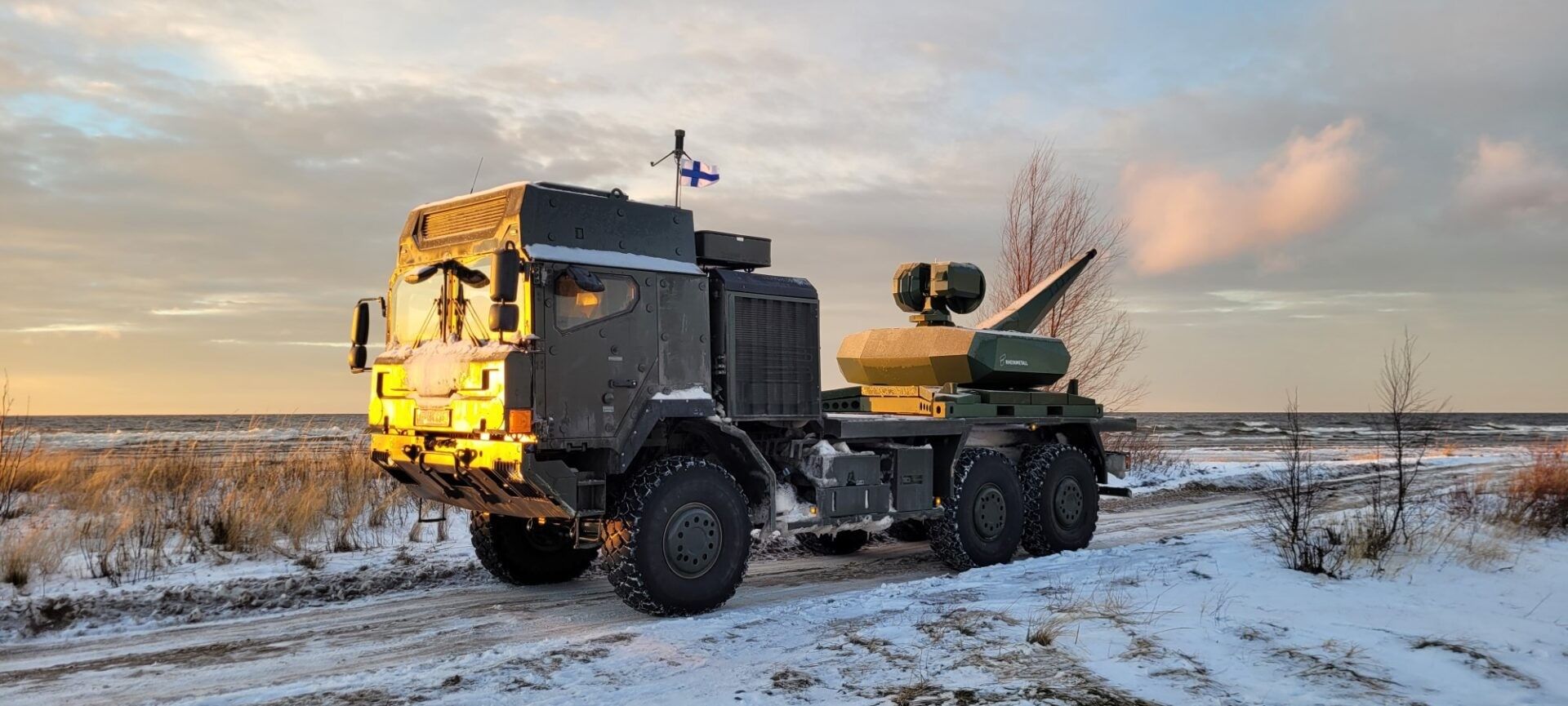
Modernisation of armoured vehicles, artillery, main battle tanks, and anti-tank systems is in focus, as well as improving Arctic mobility and integrating unmanned systems with traditional weapon systems. In terms of system-level reforms, the focus is on operating with units outside national borders: this requires significant investments in logistics and support structures. Responding to these demands is necessary in order to maintain a credible, modern, and reliable defence capability, which meets the requirements of the modern battlefield.

In addition to land defence development, we have reforms in the entire defence system: these reforms support and enable operations both in Finland and outside Finland if needed. The F-35 project creates a joint, multi-domain capability that serves the entire defence system and strengthens deterrence, improves the operational picture, and enables long-range fires. Developing the Navy will support control of sea areas, repelling attacks, and protecting critical sea lines of communication.
In addition to traditional capability development, the Finnish Defence Forces invests in systematic innovation and industrial cooperation so that new technologies and methods of working can be introduced into the defence system in a controlled manner and on time, also in a rapidly changing security environment. In order to reach that objective, we are constantly searching for the best possible expertise and partners who will support us in development projects and ensure that we have the ability to respond quickly to changing security threats. Strong cooperation will guarantee that we have the needed expertise and competitiveness, also in this race.


