



- WIADOMOŚCI
- WYWIADY
What drives Tallinn’s unyielding stand on Russia?

Estonia is often portrayed as one of the European countries most exposed to a potential future Russian attack. But Tallinn maintains an unyelding stance towards Moscow, arguing that only a unified allied response, robust defence, and credible security guarantees for Ukraine can ensure Europe’s security.
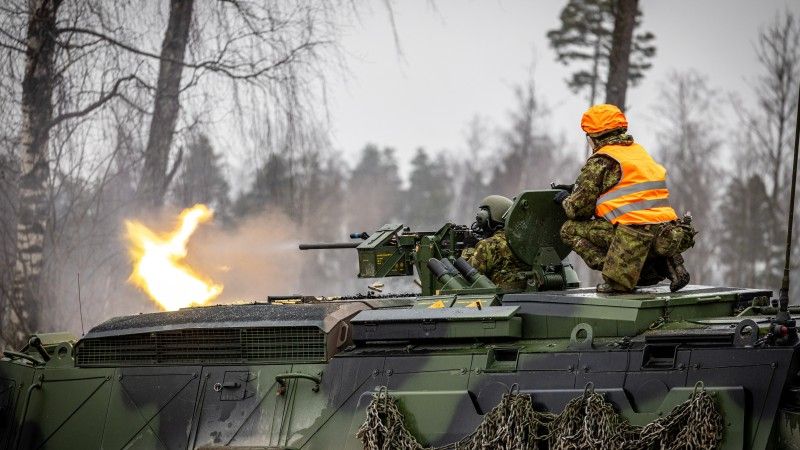
In his interview with Margus Tsahkna, Estonia’s Minister of Foreign Affairs, Aleksander Olech examines Tallinn’s defence planning and its approach to defeating Russia.

Dr Aleksander Olech: Estonia has been one of the strongest supporters of Ukraine since the beginning of Russia’s full-scale invasion. How does Tallinn currently assess the trajectory of the war and the prospects for its resolution?
Margus Tsahkna: Estonia’s assessment is clear: this war will not end through concessions. A just and lasting peace can only be achieved from a position of strength. Russia has not abandoned its goals — to destroy Ukraine and undermine the European security order built on NATO and the EU.
This means sustained military support, stronger sanctions, and credible security guarantees. Our approach is straightforward: increase military aid, tighten pressure on Russia, including through sanctions and action against the shadow fleet, and ensure Ukraine is strong both on the battlefield and at the negotiating table.

NATO’s eastern flank has significantly strengthened in recent years. How does Estonia assess the current level of security in the Baltic region, particularly in the context of Russian military activity?
Security in the Baltic region is stronger than before. NATO’s presence, planning, and deterrence have improved significantly, yet Russia remains a long-term threat to the entire Alliance that is not diminishing.
Estonia’s view is clear: we are better defended, but we must move faster. Deterrence requires sustained investment, a stronger forward presence, and rapid capability development to ensure that any aggression would fail from the very first moment.
Poland and Estonia share very similar strategic perceptions of the Russian threat. Where do you see the greatest potential for strengthening political and security cooperation between Tallinn and Warsaw?
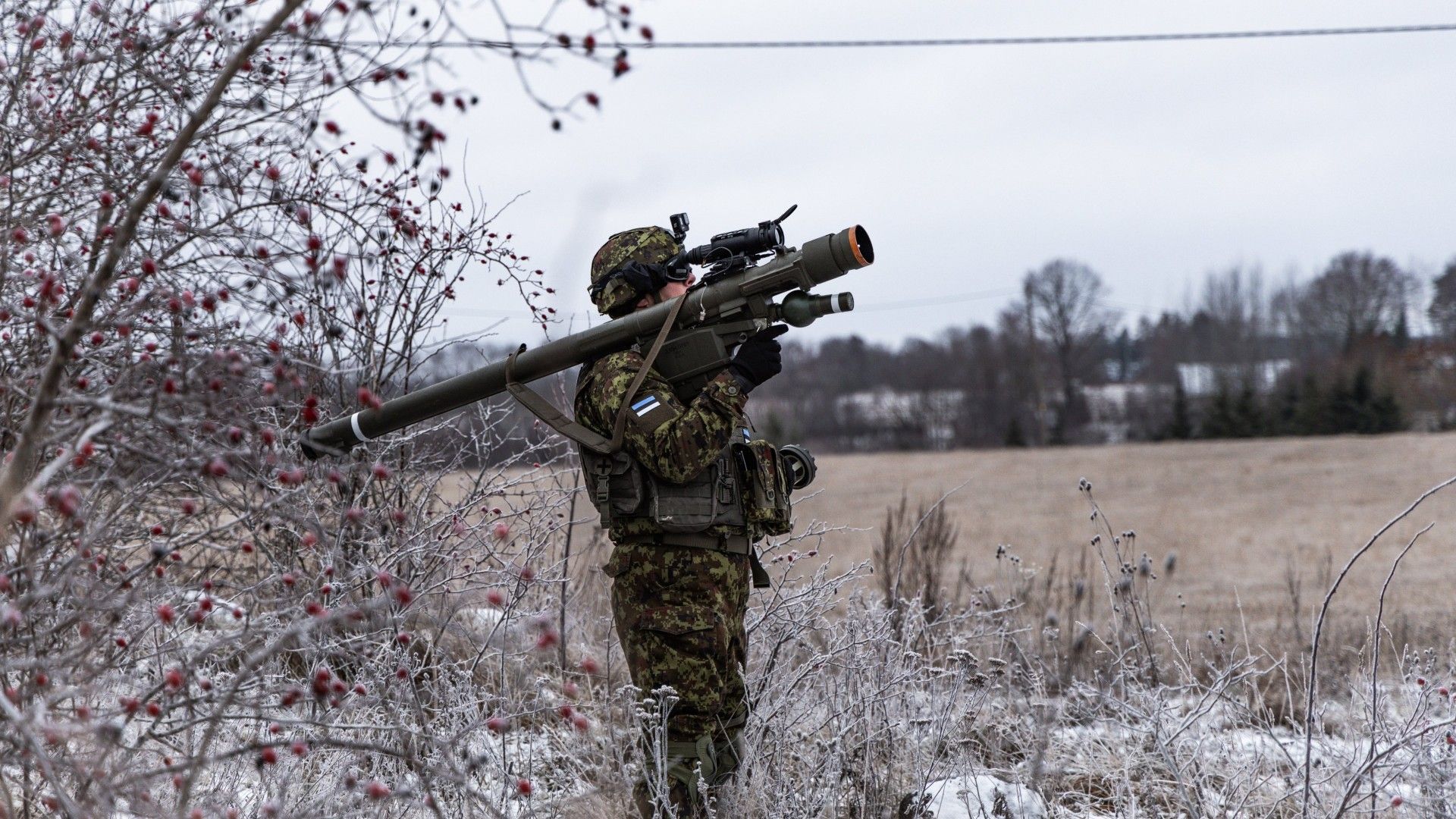
Estonia and Poland share a very similar understanding of the Russian threat, and the next step is deeper, more coordinated action.
The greatest potential lies in defence capabilities, military planning on NATO’s eastern flank, defence industry, and critical infrastructure such as military mobility and Rail Baltic. A strong Poland means a stronger eastern flank, and closer coordination will strengthen both regional and European security.
The issue of frozen Russian assets and accountability for war crimes remains an important element of international discussions. How does Estonia view the prospects for concrete progress in these areas?
Progress is possible, but it depends on political will. Frozen Russian assets are one of Europe’s strongest tools and should be used more decisively to support Ukraine’s defence and recovery.
At the same time, accountability must move forward. This includes support for international justice mechanisms and the establishment of a tribunal for the crime of aggression under the auspices of the Council of Europe, which would set a precedent that no violation of international law will go without consequences.

Hybrid threats, including migration pressure, cyber operations and disinformation, have become a constant challenge for European security. How is Estonia addressing these risks today?
Estonia treats hybrid threats as a comprehensive security challenge. Russia uses disinformation, cyberattacks, and migration pressure as tools to weaken societies from within.
Our response combines stronger border protection, cyber resilience, maritime security, and close cooperation with allies. Just as important is societal resilience. A vigilant and informed society is one of the strongest lines of defence against these threats.
In several of your previous interviews you stated that, in the event of aggression, Estonia would be prepared to strike Russian forces directly, including targeting assets deep inside Russia. How do you assess this concept of deterrence today in the context of the ongoing war in Ukraine and the evolving security situation in the Baltic region?
Estonia’s approach to deterrence is clear: aggression must fail from the first moment. We cannot rely on the idea of losing territory first and liberating it later.
Deterrence today means credible capabilities, including long-range fires, air defence, and rapid allied response. The message is simple: Russia must understand that any attack would not succeed and would carry immediate consequences. This is not about escalation, but about preventing war by making aggression unfeasible.


