



- WIADOMOŚCI
Pentagon builds cyberdefence for critical infrastructure

The Pentagon is preparing a new framework to defend U.S. critical infrastructure against cyberattacks. This is no longer only about protecting military networks, but about keeping the state functioning during a major cyber crisis.
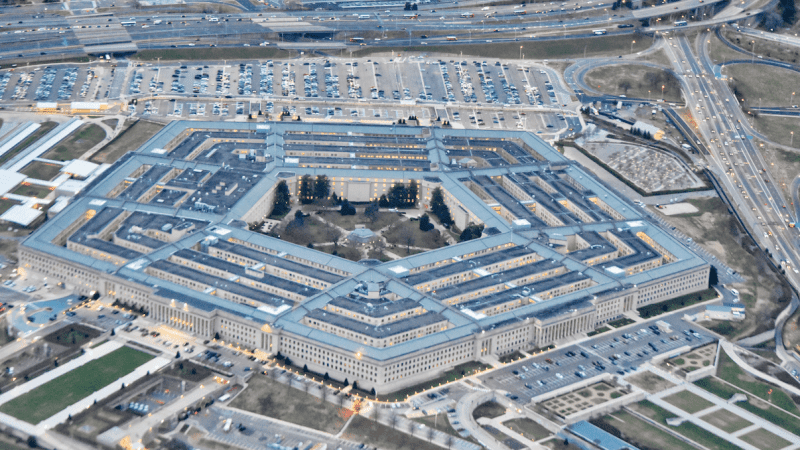
The Cyber Defense Command is working on a Joint Task Force for the defence of critical infrastructure. The most important question is command and control: who is in charge, who acts first, and how the military coordinates with CISA, the FBI, the Coast Guard and other federal structures. In a natural disaster or terrorist attack, those lines are clearer. In a cyberattack on energy, water, ports or transport systems, they are still not clear enough.
This matters because critical infrastructure is now part of deterrence. Power grids, water systems, ports, telecommunications and networks supporting military bases are civilian assets, but in a conflict they become military-relevant targets. That is why the Pentagon wants an enduring cyber campaign plan, built partly on the logic already used by U.S. Northern Command in homeland defence.

The China factor is central. U.S. officials are especially concerned about groups such as Volt Typhoon, which were found inside critical infrastructure networks. The concern is not only espionage. It is that China could map those systems in advance and use them in a future crisis, for example around Taiwan, to disrupt the American response.
One of the ideas now being developed is the creation of “digital green zones.” In practice, this means identifying which systems must be protected first, what data commanders need, and how to distinguish normal activity from hostile activity. The goal is to ensure continuity before, during and after an attack.
The United States is preparing for a scenario in which an adversary does not attack only aircraft carriers or military bases, but also the networks that allow the country to move, supply, communicate and respond.


